

When Is a Texas Driver Liable for a Rear-End Collision?
Oct. 26, 2026
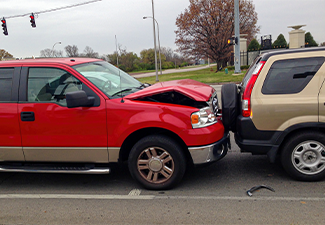 A sudden crash from behind can turn an ordinary drive into a life-altering event in a fraction of a second. The sudden impact often leads to unexpected neck pain, vehicle damage, missed workdays, and immediate medical costs that create real stress for you and your family. Trying to focus on physical recovery while managing insurance calls and mounting bills can feel heavy.
At The Law Office of Aaron Fonseca, I help injured drivers stand up for their rights and pursue the compensation they need to cover their losses. I have a location in McAllen, Texas, and serve clients in Edinburg, Mission, and the Rio Grande Valley. Reach out to us today to speak with a personal injury lawyer and learn how I advocate for you.
Fault in Texas Rear-End Collisions
Under Texas law, drivers must maintain a safe following distance that allows them to stop safely behind another vehicle under normal traffic conditions. When a driver hits another car from behind, courts and insurance adjusters often look to negligence rules to determine who bears financial responsibility.
Following too closely: Texas Transportation Code requires drivers to maintain an assured clear distance, making tailgating a primary indicator of driver fault.
Distracted driving habits: Texting, adjusting navigation, or taking eyes off the road prevents drivers from reacting quickly to sudden traffic stops.
Excessive speed for conditions: Driving faster than posted limits or failing to slow down in heavy rain makes stopping in time nearly impossible.
Failure to control speed: Motorists must adjust their speed to account for traffic flow, construction zones, and poor road conditions.
While the rear driver is frequently responsible, liability isn’t automatic in every situation. I review police reports, traffic camera footage, and driver statements to build a clear picture of what happened and prove fault under Texas law.
Scenarios Where the Front Driver Shares Liability
Although rear drivers cause most tail-end crashes, this isn’t always true, and the front driver can share or hold full fault under specific circumstances. Texas follows a modified comparative fault rule, meaning your final recovery depends on the percentage of fault assigned to each party involved.
Sudden reversing without warning: Reversing unexpectedly in a lane of traffic or out of a parking spot can leave the rear driver no time to avoid an impact.
Non-functioning brake lights: Driving with broken or missing brake lights deprives following drivers of essential visual warnings that a vehicle is slowing down.
Abrupt and unnecessary stops: Slamming on brakes intentionally or "brake checking" another vehicle creates an immediate and dangerous hazard on the road.
Failing to pull over after a breakdown: Stopping in an active travel lane without turning on hazard lights increases collision risks for trailing traffic.
Proving that a lead driver contributed to a crash requires gathering solid evidence before it disappears. As an experienced lawyer, I examine witness accounts and crash scene evidence to protect my clients from unfair claims of fault.
Comparative Negligence and Your Claim
Texas uses a 51% bar rule for comparative negligence, which directly impacts how much financial compensation you can recover after an accident. Under this rule, you can seek damages as long as you’re 50% or less at fault for the incident. If an insurance company claims you share blame for the crash, your restitution can drop by percentage of responsibility.
For example, if a court awards $100,000 in total damages but finds you 20% responsible because your brake lights were dim, your net recovery becomes $80,000. However, if an insurer successfully argues that you bear 51% or more of the fault, state law prevents you from recovering any compensation at all.
Insurance adjusters often try to shift blame onto injured victims to lower their company's payout obligations. At The Law Office of Aaron Fonseca, I push back against unfair fault assignments and fight to make sure that your case is viewed and assessed in a manner that is fair to you, and I advocate for your rights.
Important Evidence to Collect After a Collision
Gathering clear evidence quickly helps establish liability and protects your right to full financial recovery. The hours and days immediately following a crash are critical for securing proof before physical evidence gets cleared or forgotten. An experienced personal injury attorney like The Law Office of Aaron Fonseca helps to make sure you understand the important evidence.
Official police crash reports: Officers document initial statements, driver citations, weather conditions, and physical vehicle damage at the scene.
Photos and video recordings: Images showing vehicle positions, skid marks, road conditions, and visible injuries provide crucial visual proof.
Eyewitness contact information: Neutral statements from bystanders or other motorists help confirm how the collision actually happened.
Immediate medical documentation: Emergency room records, doctor notes, and therapy bills directly link your injuries to the crash.
Organizing this evidence allows a personal injury lawyer to present a clear demand to insurance carriers. I handle the details of gathering records and building your case so you can concentrate on healing.
Important Guidance From a Personal Injury Lawyer
Dealing with physical pain, missed paychecks, and persistent insurance adjusters creates unnecessary pressure when you should be resting. You don’t have to handle these challenges alone or accept low settlement offers that fail to cover your future care. Having a dedicated personal injury lawyer on your side protects your rights.
At The Law Office of Aaron Fonseca, I help crash victims work through their legal options and pursue restitution for medical expenses, lost wages, and pain. I have a location in McAllen, Texas, and serve clients in Edinburg, Mission, and the Rio Grande Valley. Reach out today to schedule a consultation and take the first step toward your recovery.