

What to Expect When Facing a Weapon Possession Charge
March 27, 2026
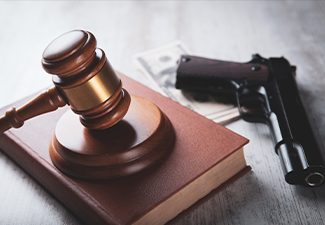 Being charged with weapon possession can be unsettling because it often feels like the situation turned serious all at once. A traffic stop, a call for service, or a search tied to another allegation can quickly shift into questions about what you had, where it was found, and whether you were allowed to possess it under Texas law.
At The Law Office of Aaron Fonseca, based in McAllen, Texas, a trusted attorney provides legal services to those facing weapon possession allegations, including a clear plan for responding and preparing for the next steps in court.
The lawyer at the firm proudly serves clients in McAllen, Texas, as well as the surrounding areas of Edinburg, Mission, and the Rio Grande Valley. If you are facing this kind of charge, it helps to focus on what the court is likely to evaluate and what you can do immediately to protect yourself.
How Weapon Possession Charges Typically Start
Weapon possession charges often begin with an encounter where law enforcement claims to locate a weapon during a stop, search, or response to an incident. In some situations, the question is whether the weapon was carried in a way that violated a restriction. In others, the focus is on whether the person was barred from possessing a weapon at all due to a prior case or a probation condition.
Once the allegation is made, the case usually turns on details that may not seem important at the time, such as where the item was located, who had access to it, and what statements were made during the encounter. Those details connect directly to the legal elements the State must prove, which is why the next step is learning which factors tend to carry the most weight.
Factors That Can Affect a Weapon Possession Case
The type of weapon, where it was allegedly carried, and whether it was accessible can all shape what charge is filed and what penalties may be on the table. Small changes in facts can make a large difference in how the case is charged. When you are trying to assess risk, it helps to identify the common issues that prosecutors and courts tend to focus on in these cases:
Prohibited person status: Prior felony convictions, certain protective orders, or active supervision terms can affect whether possession is allowed at all.
Location and restricted places: Allegations involving schools, courthouses, polling places, secure airport areas, or other restricted locations can change the charge.
Accessibility and manner of carry: Where the weapon was found, how quickly it could be accessed, and whether it was concealed can affect the State’s theory.
Ownership and control questions: If the weapon was in a vehicle, a home, or a shared space, the issue may be whether you had care, custody, or control of it.
Related allegations: Claims involving threats, assault, drugs, or other offenses can increase the seriousness of the case and the court’s concerns.
Once you have a clearer picture of which factors apply, the next step is understanding what usually happens procedurally after the arrest or citation, since early court settings can move quickly.
What to Expect After an Arrest or Citation
Some weapon possession cases begin with an arrest, while others involve a citation and a later court date. If you are arrested, you may go through booking, fingerprinting, and a bond process, and you may have conditions placed on your release. Those conditions can include restrictions on contact with certain people, travel limits, or requirements to report, depending on the allegation. Even if you are released quickly, the case does not pause, and early deadlines can appear before you feel ready.
If the case begins with a citation, it is still important to treat it as a criminal matter and prepare for the first court setting. A missed appearance can create a warrant and turn a manageable situation into a custody risk. That practical reality leads directly to evidence, because the strength of the State’s proof often drives bond decisions, negotiations, and what happens at later hearings.
Evidence That Often Drives the Outcome
In many weapon possession cases, the evidence is built from the stop or search itself, along with photographs, reports, body camera footage, and statements attributed to the accused. The following types of evidence can often shape the case:
Search-and-seizure documentation: Reports, warrants, consent forms, and body camera footage can show how officers claim the weapon was located.
Chain of custody and handling records: Property logs and storage documentation can be important when the weapon's condition or identification is disputed.
Location and access details: Photos, diagrams, and witness statements can affect whether the weapon was readily accessible and who could control it.
Statements and admissions: Recorded interviews, written statements, or comments attributed to you can become a central part of the prosecution’s theory.
Status records: Prior judgments, supervision terms, or protective order paperwork may be used to argue that possession was prohibited.
Once you know what evidence the State is relying on, the next focus should be your immediate next steps, because what you do after the charge can affect both your legal position and day-to-day life.
Steps to Take After You are Charged
A weapon possession charge can put pressure on you to explain yourself quickly, but rushed decisions often create new problems. The better approach is to get organized, protect your rights, and avoid adding facts that the State can use later. These five steps can help you respond in a structured way:
Read the charging paperwork closely: Confirm the offense listed, the date and location alleged, and any conditions of bond or release.
Write down your timeline while it is fresh: Note where you were, who was present, and what happened before, during, and after the encounter.
Preserve records and communications: Save texts, call logs, receipts, and any documents tied to the location or circumstances of the allegation.
Avoid discussing the case outside privileged settings: Limit conversations to your lawyer, and avoid sharing it on social media or giving casual explanations to others.
Speak with a criminal defense lawyer promptly: A lawyer can review the stop, the search, the evidence, and the options for the next court setting.
Taking these steps helps you avoid common pitfalls while your lawyer evaluates legal issues like the legality of the search, proof of control, and whether the charge matches the facts. From there, it becomes easier to evaluate what outcomes are realistic based on the evidence and your goals.
Fight for Your Rights & Take Legal Action
If you are facing a weapon possession charge, early preparation can help you protect your rights and avoid preventable mistakes. At The Law Office of Aaron Fonseca, a dependable criminal defense attorney provides legal guidance in McAllen, Texas, as well as the surrounding areas of Edinburg, Mission, and the Rio Grande Valley. Contact the office to discuss your charge, the circumstances of the allegation, and the next steps for preparing for court.