

DWI Defense: Challenging Breathalyzer and Field Sobriety Test Results in Court
April 9, 2026
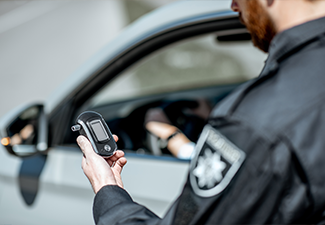 Many people assume breathalyzers are infallible, but they can be affected by calibration issues, environmental factors, and human error. A knowledgeable attorney will gladly review whether the equipment was maintained in accordance with Texas regulations and whether it has recent certifications. Also, physiological conditions can affect results. Medical issues, medications, or even certain foods can cause inaccurate readings.
Thankfully, an attorney at The Law Office of Aaron Fonseca will look carefully at whether the officer followed proper procedures, such as the required waiting period after consuming anything that might affect the test. He proudly works with individuals facing breathalyzer results, field sobriety tests, and other evidence, helping them understand the steps involved in building a defense. Contact an experienced attorney in McAllen, Texas. He helps clients in Edinburg, Mission, and throughout Hidalgo, Cameron, and Starr Counties address DWI charges with careful attention.
Questioning Field Sobriety Tests
Field sobriety tests are another area where DWI defense can make a difference. Officers often use the horizontal gaze nystagmus, walk-and-turn, and one-leg stand tests. While these are standard procedures, they rely on the officer’s observation and can be affected by factors unrelated to alcohol.
Conditions during the tests can have a large impact. Uneven surfaces, poor lighting, or medical issues such as balance disorders can all impact performance. Other specifics that affect the outcome of a DWI charge include:
Horizontal gaze nystagmus can appear in people with certain neurological conditions.
Walk-and-turn results may be affected by joint pain, fatigue, or footwear.
One-leg stand tests can be misleading if the ground is uneven or slippery.
By analyzing these factors, a criminal defense attorney can raise questions about whether the tests truly reflected impairment. Challenging these tests requires attention to both situational details and human factors
Evaluating Officer Conduct
An officer's conduct during a traffic stop is central to building a DWI defense. I review whether the stop was supported by probable cause and whether the arrest followed proper procedures. Any misstep can affect the admissibility of evidence, including breathalyzer and field sobriety test results.
An experienced lawyer will look for inconsistencies in reports, improper questioning, or deviations from standard procedures. Even small procedural errors can create opportunities to challenge evidence or seek dismissal. The sequence of events is critical, and I pay attention to how each step was documented.
Body camera and dashcam footage are also valuable. Often, the video shows details that reports omit or describe inconsistently. These recordings can clarify conditions during the stop and help evaluate the officer’s actions. Each observation can become a key part of a DWI defense strategy.
DWI Defense: Reviewing Scientific and Technical Evidence
Scientific and technical evidence often determines the outcome of a DWI case. It is beneficial to analyze blood and breath test procedures, lab reports, and calibration logs to look for potential issues. Any errors in handling, storage, or testing of samples can be used to challenge the charge.
Cross-examining witnesses is a critical step. It will examine how the prosecution presents scientific evidence and identifies areas where claims may overstate reliability. Focusing on factual accuracy and procedures can uncover inconsistencies that might otherwise go unnoticed. Careful attention to evidence and procedure strengthens a DWI defense and can impact how the court evaluates the prosecution’s claims. Every step adds weight to the case and helps protect the individual’s rights.
DWI Defense: Preparing for Court
Preparation for court is essential. At The Law Office of Aaron Fonseca, he will organize all the evidence, review each report, and create a clear plan to challenge results when appropriate. Officers and lab technicians are often relied on heavily by the prosecution. By reviewing their methods, procedures, and statements, he can identify inconsistencies that support DWI defense arguments, a process he uses routinely at The Law Office of Aaron Fonseca.
In addition to reviewing the evidence, Attorney Fonseca will discuss each step with his clients. Understanding what to expect in court reduces uncertainty and allows the individual to participate fully in their own defense. Clear communication and preparation are critical to presenting a solid case.
Reviewing Video and Witness Evidence
In many DWI cases, additional evidence beyond breathalyzer readings and field sobriety tests can play an important role. It is key to review body camera footage, dashcam recordings, and any available surveillance video from nearby businesses or traffic cameras. These recordings can reveal details about the traffic stop, the individual’s behavior, and whether instructions for field sobriety tests were clearly communicated. Video evidence sometimes contradicts written reports or highlights environmental conditions that may have affected test performance.
DWI Defense: Moving Forward After a Charge
Facing a DWI charge can be stressful and confusing, with questions about breathalyzer accuracy, field sobriety tests, and officer conduct adding to the uncertainty. It’s normal to feel overwhelmed when trying to anticipate court proceedings and possible outcomes. Taking deliberate steps to review evidence and prepare a defense can help you feel more in control of the situation.
At The Law Office of Aaron Fonseca, Attorney Fonseca has the experience and resources to challenge DWI evidence and defend your rights throughout Hidalgo County, Cameron County, and Starr County, Texas. Contact the firm today to discuss your case and learn how an experienced attorney can help protect your rights and work toward the best possible outcome.